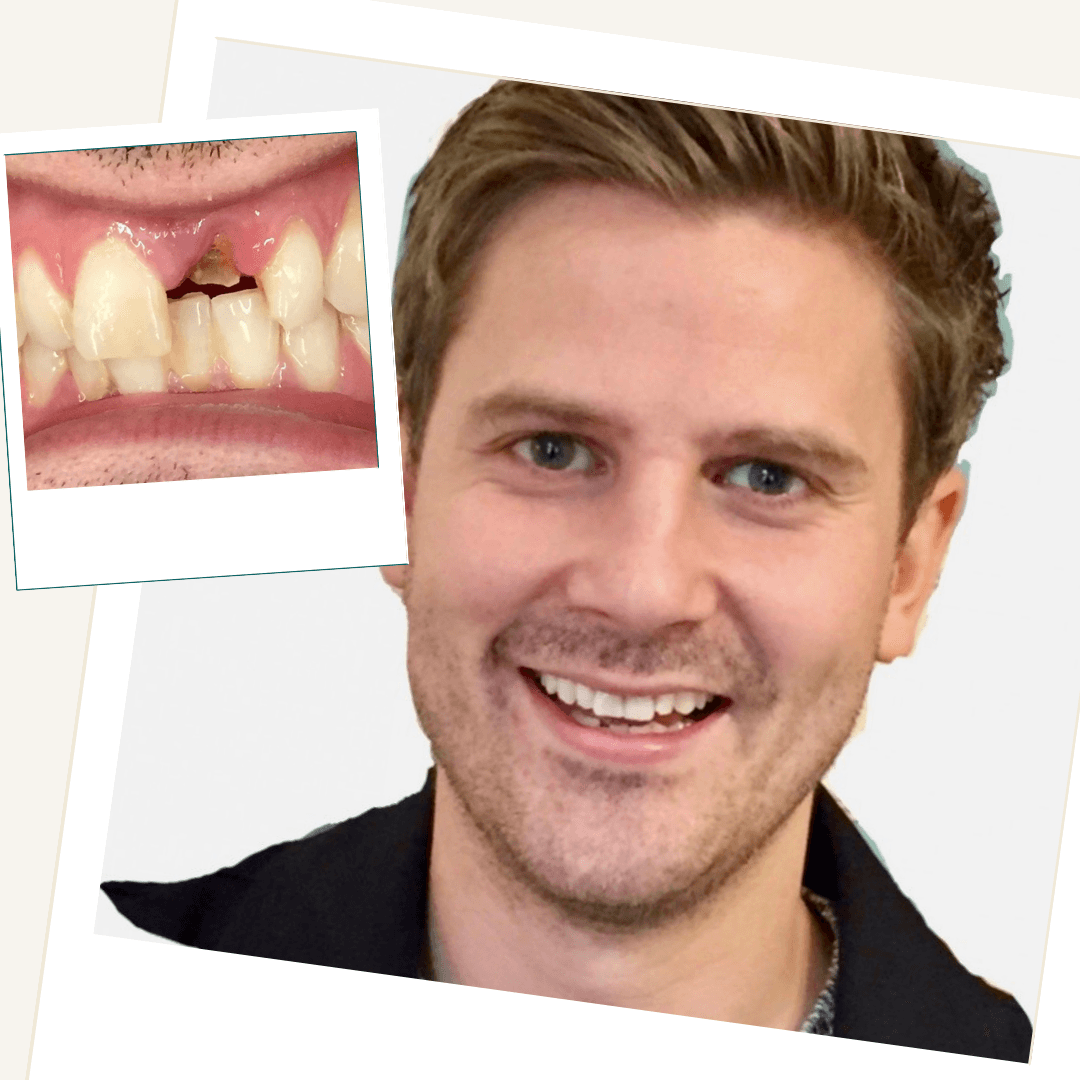
Single or Multiple Dental Implants
Fixed, natural-looking replacement of one or several missing teeth, planned around the health of the mouth.
View the related clinical case
Dental implants
Missing teeth can affect confidence, comfort and everyday function. Specialist assessment helps identify the most appropriate fixed or removable solution for your needs.
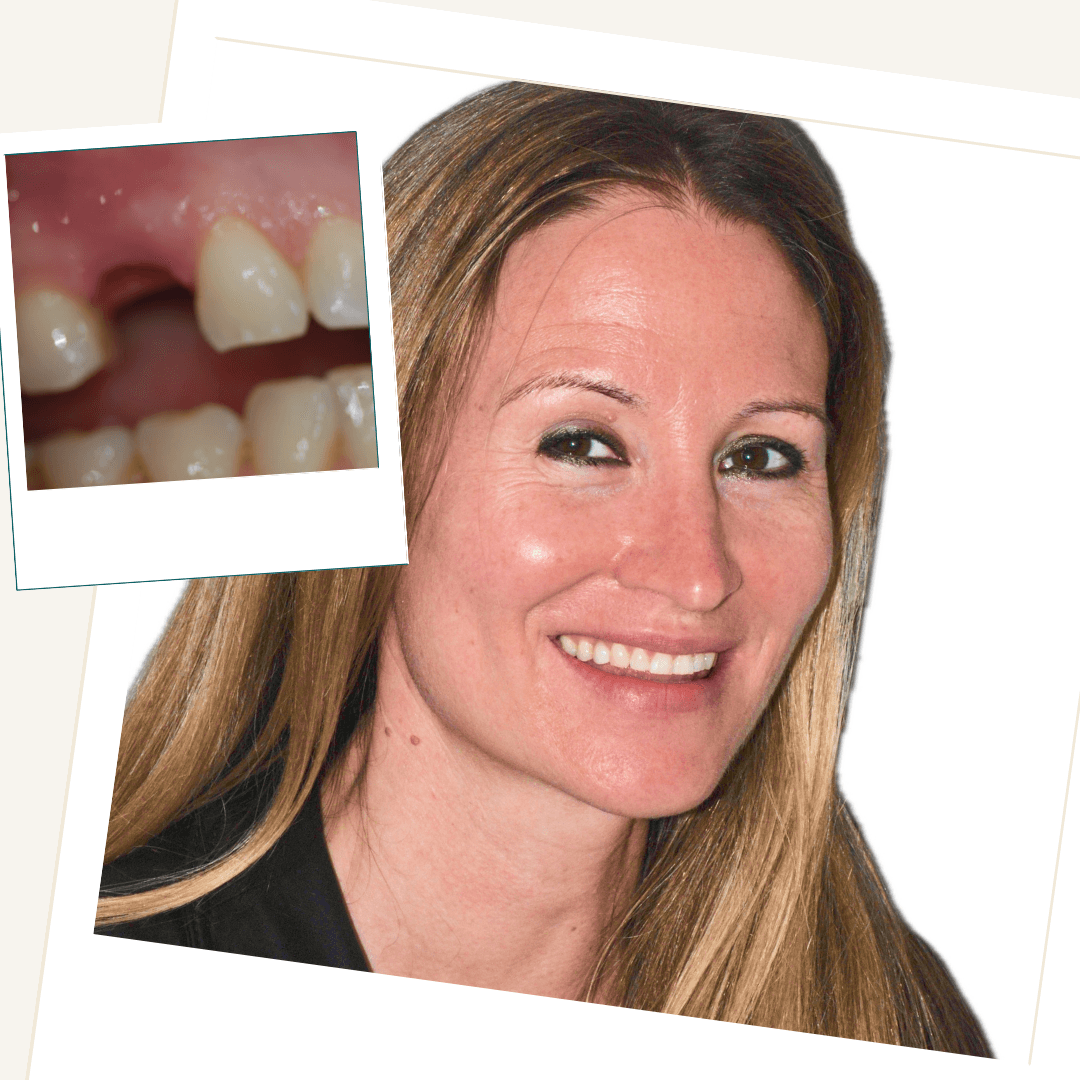
What is a dental implant?
A dental implant is usually a titanium fixture placed within the jaw to support a crown, bridge or removable denture. Titanium is widely used because it is biocompatible and can integrate with bone.
Implants can avoid relying on adjacent teeth and may improve stability and chewing confidence. They are not suitable for everyone: oral health, available bone, medical factors, smoking, expectations and the ability to maintain the result all require careful assessment.
Treatment options
The right option depends on the number and position of missing teeth, bone availability, general and oral health, and your preference for fixed or removable teeth.
Fixed, natural-looking replacement of one or several missing teeth, planned around the health of the mouth.
View the related clinical case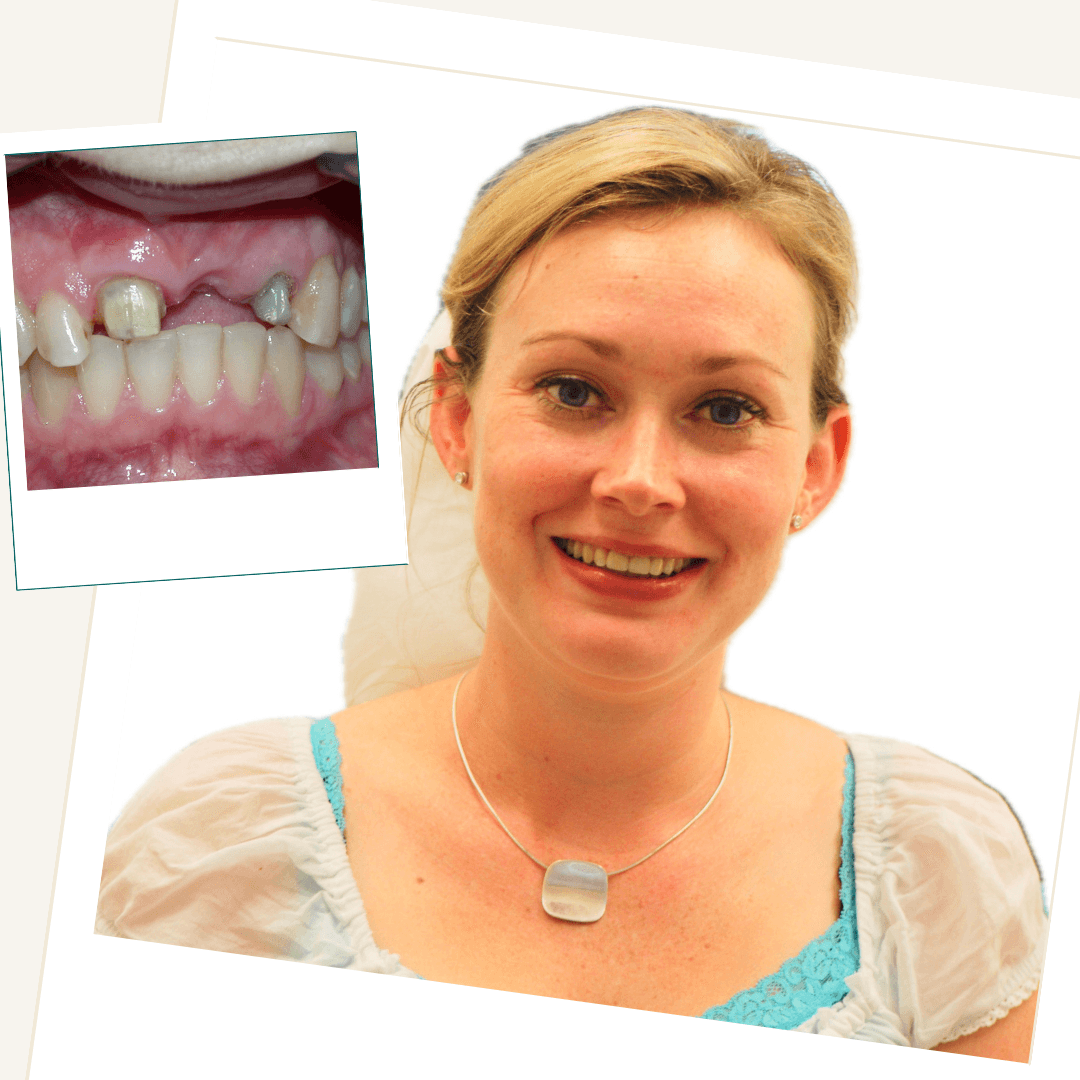
Several adjacent teeth can sometimes be replaced with a bridge supported by strategically positioned implants.
View the related clinical case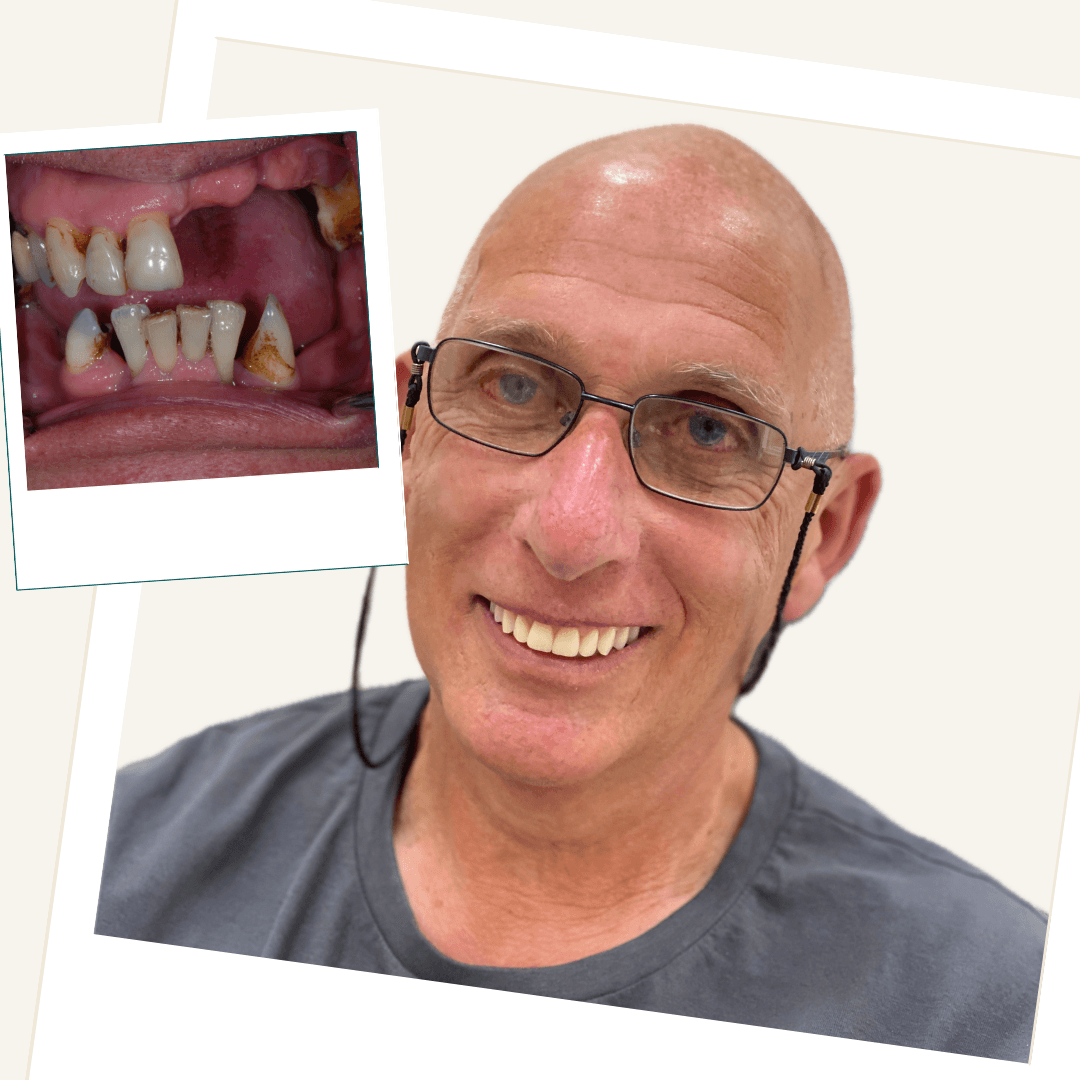
A removable denture stabilised by implants can improve retention, comfort and confidence while remaining removable for cleaning.
View the related clinical case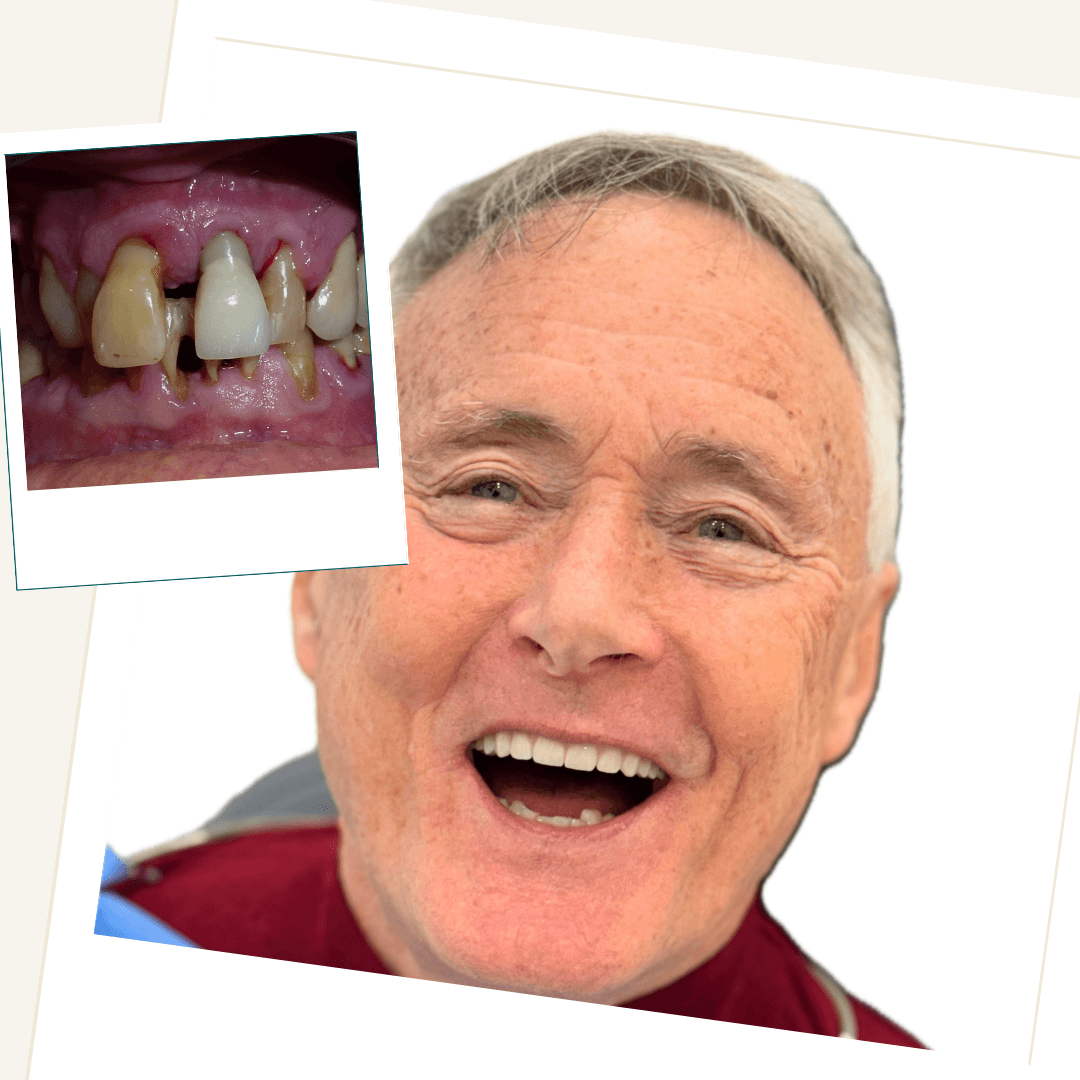
A fixed full-arch solution—sometimes described as All-on-4, All-on-6 or All-on-X—may replace a failing or missing dentition.
View the related clinical casePotential advantages
The process
Clinical examination, photographs and appropriate imaging are used to assess health, bone, bite and treatment priorities.
The number and position of implants, provisional teeth, materials, timing and alternatives are discussed before treatment.
Titanium implants are placed in the jaw. Temporary teeth may be possible in selected cases.
The implants integrate with the surrounding bone. Treatment commonly takes approximately 6–12 months overall.
A crown, bridge or denture is made to restore function and achieve a natural, maintainable result.
Regular reviews, daily cleaning and periodontal maintenance—often every three months for implant cases—help protect the result.
Timescales vary. Implant treatment commonly takes between six months and one year, but immediate or same-day provisional teeth may be possible in carefully selected cases.
Protecting your result
Implants and implant restorations are not maintenance-free. Daily cleaning, regular clinical and radiographic review, and professional periodontal maintenance are essential. For many implant patients, three-month periodontal maintenance is recommended according to individual risk.
A biteguard may also be advised where grinding or clenching places the restoration at additional risk.
A clear next step
A consultation provides a realistic assessment of suitability, alternatives, timing, maintenance and likely costs before you decide how to proceed.