
01
Records, Mock-ups & Patient Review
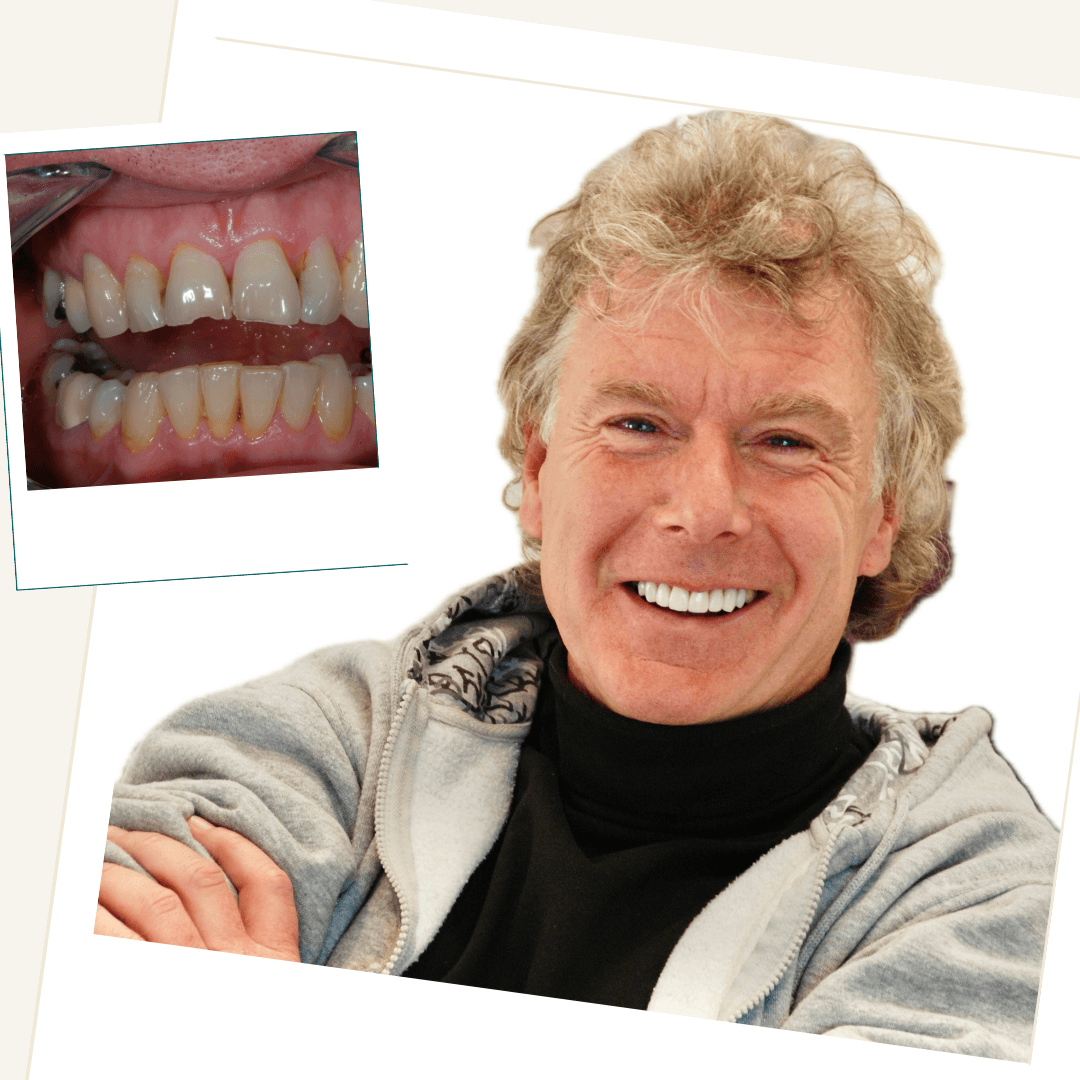
Detailed baseline records, clinical photographs and digital models were collected. A diagnostic wax-up and digital smile design were then created.
This initial phase allowed the patient to review and discuss the proposed changes, including the intended appearance and possible functional effects, before deciding whether to proceed.
- Review of dental, medical and relevant lifestyle history
- Digital dental radiographs and structural assessment
- Intraoral digital scanning and bite assessment
- Digital smile design (DSD) and facial-proportion assessment
- Additive diagnostic wax-up models for clinical evaluation
02
Conservative Preparation & Impression Records
During treatment under local anaesthesia, the teeth received individually planned preparation. A minimal-preparation, feather-edge approach was used where suitable, with the aim of retaining as much sound enamel as practicable.
Detailed records were provided to the dental laboratory for fabrication of the porcelain veneers. Temporary restorations were fitted to provide a functional trial smile during this stage.
03
The Trial Smile Evaluation Phase
The temporary restorations allowed the patient and clinical team to assess the proposed tooth shapes and smile line in daily use. Speech, chewing, shade, facial proportions and the bite were reviewed during this phase.
After the patient approved the agreed trial design, a digital scan was recorded to help communicate its contours to the laboratory for the definitive restorations.
04
Final Fit Review & Adhesive Bonding
The temporary restorations were removed and the porcelain veneers were tried in. Fit, margins, shade and bite contacts were assessed before bonding.
Following patient approval, the veneers were bonded using a resin adhesive system. The contours and bite were checked, and finishing and polishing were completed.
05
Post-Treatment Support & Maintenance
An individual maintenance routine was discussed, including daily plaque control, interdental cleaning and professional review to support the teeth, gums and veneer margins.
A custom protective guard was provided for night-time use to help reduce loading associated with clenching or grinding. The patient was also advised to avoid biting directly on very hard objects.